- +91 983 128 5973
- info.sdrf@gmail.com
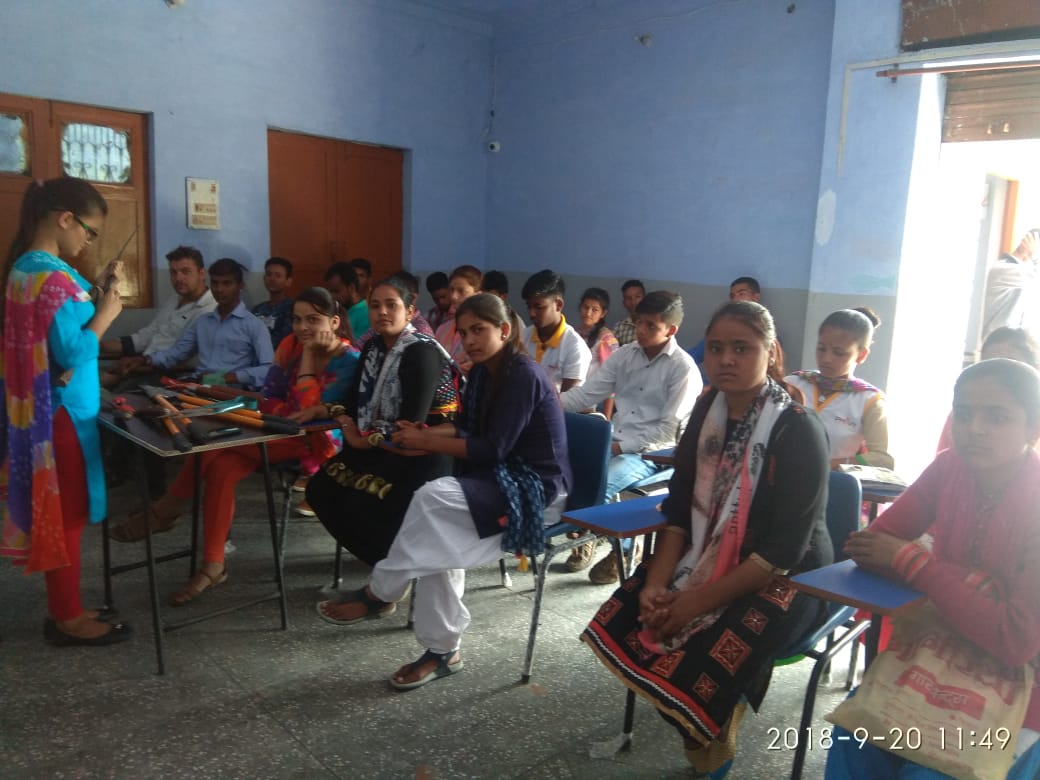
“Education is the passport to the future, for tomorrow belongs to those who prepare for it today.” Malcolm X Education is a very powerful tool that gives us the power to change the world. It breaks down all the barriers which is a hindrance to the progress of mankind. For the bright future of the youth and effective sustainable development, SDRF strives to give the torch of knowledge to uplift the vulnerable sections of the society. This power of learning will economically and mentally liberate the underprivileged sections of the society. SDRF amins to inculcate self confidence in youth and vulnerable communities to prepare them for a better future. Children are the backbone of society and it is very essential to give them proper education for their bright future. SDRF believes in empowering children to prepare them to be the wings of independence to solve the greatest developmental problems of society. Since 2002, more than 1000 children in the age group of 3to 18 years have been getting access to basic education under our social education program. Currently we have two social education centers in Bihar which directly reach more than 1000 children.
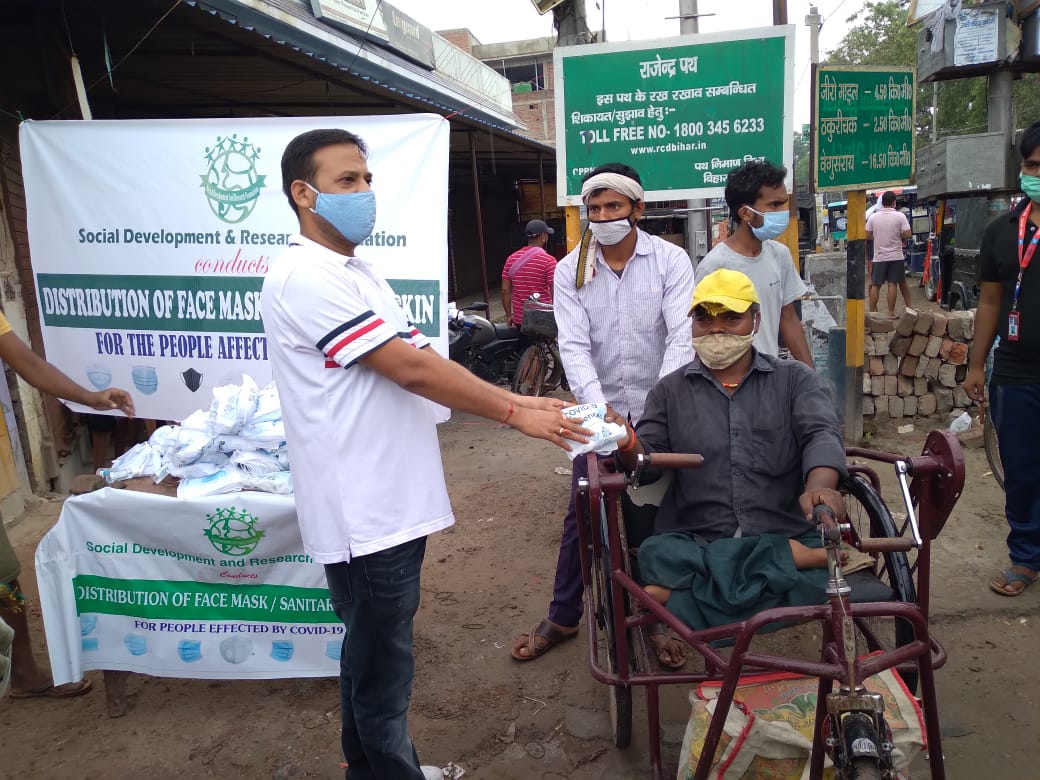
I believe that the greatest gift you can give your family and the world is a healthy you” Joyce Meyer SDRF strives to promote healthy growth to the underprivileged communities for their socio-economic development. Without the gift of good health, the dream of sustainable development will remain a dream. SDRF is very active in creating awareness about serious issues such as Beti Bachao, consequences of early marriage, HIV/AIDS, use of contraceptives etc. It is very essential to know about such serious issues for better cure and wellbeing. Good health is real wealth. Being healthy is not only about physical health but also the health of the psyche. Inculcating wisdom about the serious social problems and health issues will help people to come forward and address their issues confidently. In underprivileged sections women generally face social discrimination and serious health issues due to lack of understanding and infrastructure. SDRF bridges the gap of the lack of awareness by their health programs and skill development programs which empower them to live life on their own terms with respect and dignity.
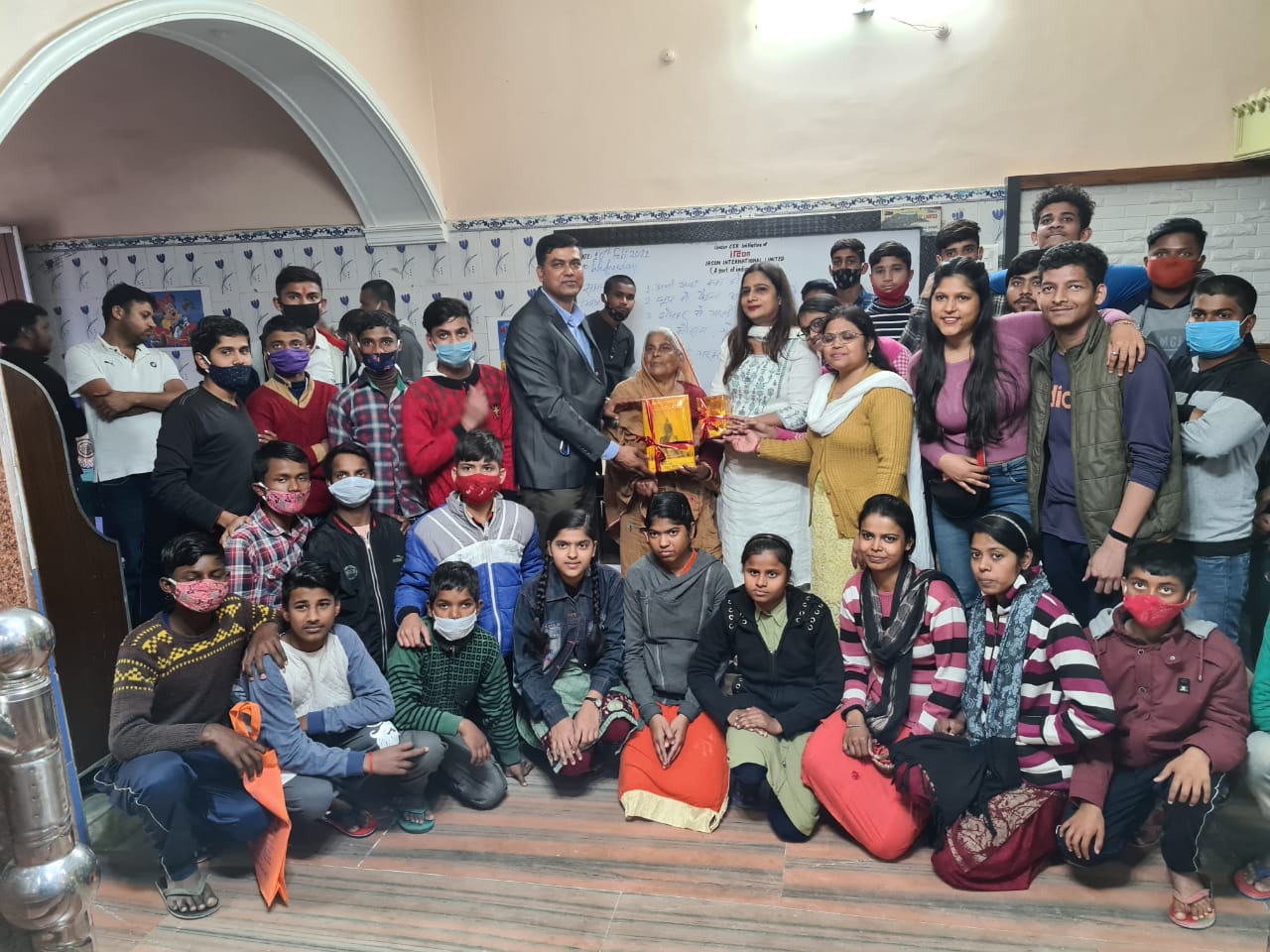
SDRF aims to provide proper healthcare, education and livelihood opportunities to empower women to stand for their own rights. We have been organizing awareness campaigns and training programs to promote literacy and healthy mental growth. Education and the health status of a girl child is a cause of concern and a major developmental problem. SDRF has been contributing to eliminating the issues of women education and healthcare for a long time and is successful in creating a positive change in the lives of Underprivileged women. We sensitize and help them to know their legal rights. We give them an opportunity to develop their skills and give them placements to make them independent in their life. We boost their confidence by grooming sessions and aware them about their rights to break the traditional norms of society and encourage them to be the best version of themselves.
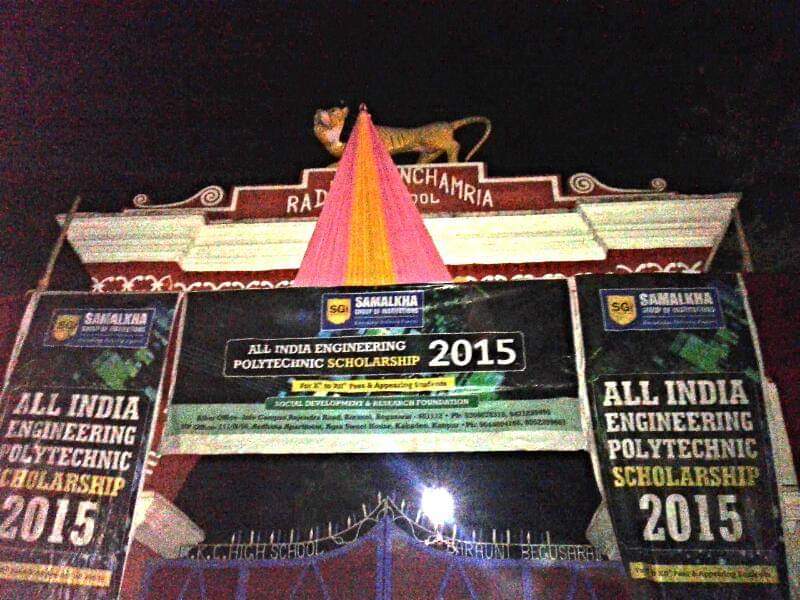
Yes, we use relevant and updated methodology and technology to promote literacy and awareness about proper nutrition. A healthy body and healthy mind eradicates half of the developmental problems. In today's day and age giving access to technology and knowledge about proper nutrition to underprivileged people fills the gap in having the knowledge of the importance of a healthy body. Food Distribution Drive We organized a Food distribution drive in Delhi NCR for underprivileged children to promote health and the gift of nutrition. We distributed healthy packaged food to around 1000 underprivileged children with enthusiasm and were successful in creating an awareness about the need to live healthy.
Our Scholarship programs help to build the dreams of underprivileged students who have a potential to change the world with his/her power of knowledge. We facilitate meritorious underprivileged students to get scholarships from reputed colleges , universities and corporate under this program. As of now we are able to conduct 200 children to get this scholarship for their higher studies.
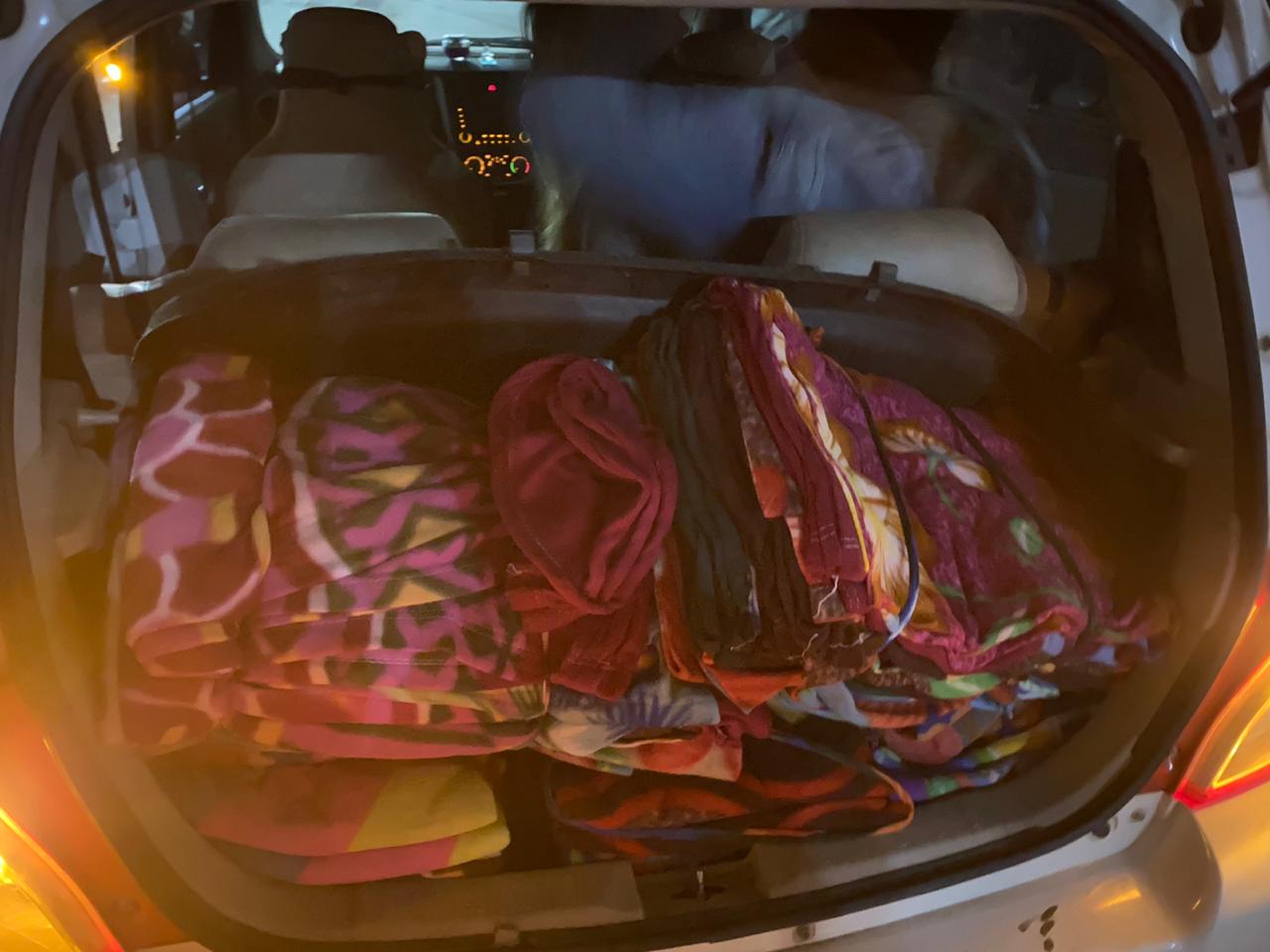
SDRF became the pillar of relief to the needy during the coldest days of the season. The SDRF team along with Mahila Ayog President has distributed blankets to the needy people in Bhagalpur district of Bihar.
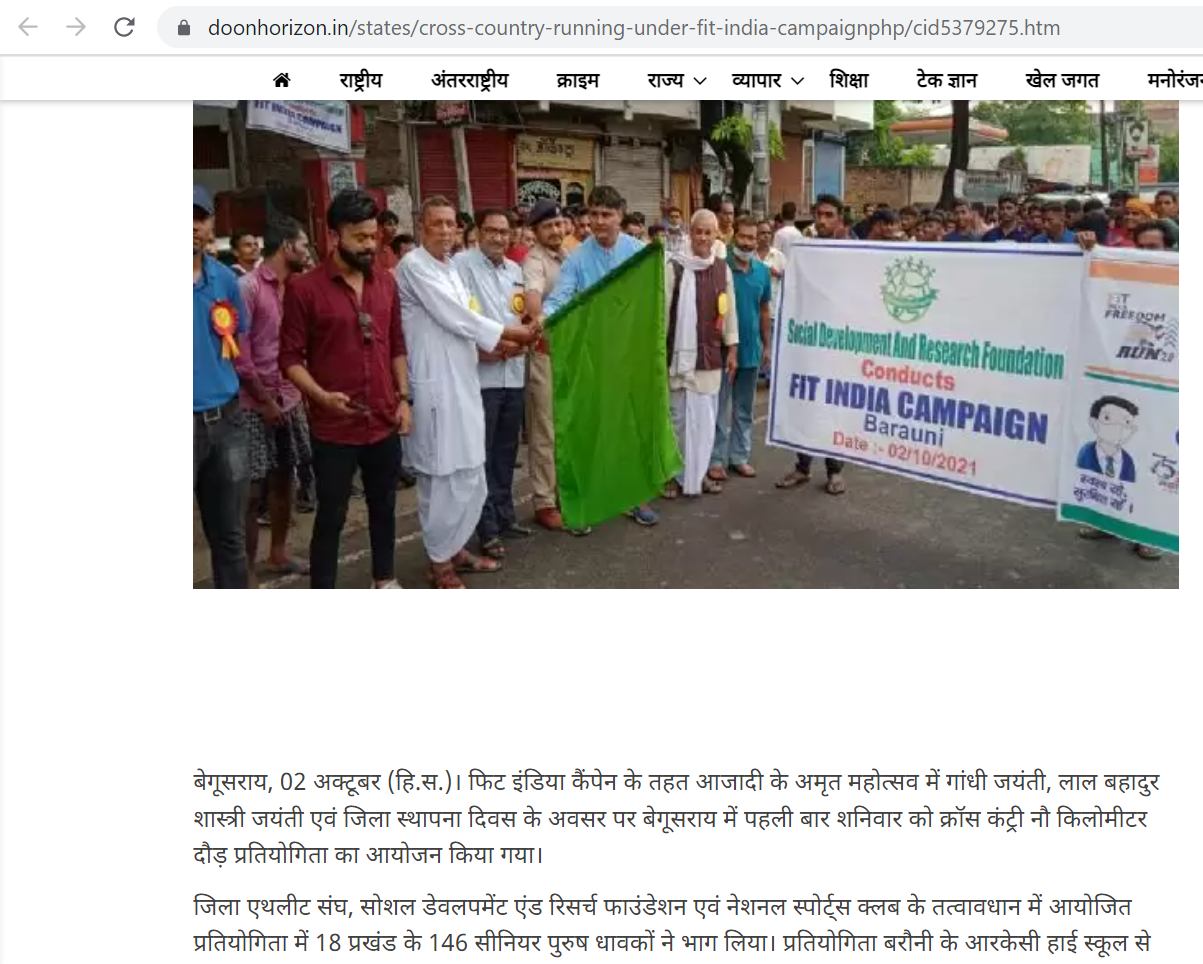
By our Skill development programs we provide amazing placement opportunities for women and youth. From awareness campaigns, counseling of families for women training, personality development programs, and short-term courses we make them confident to stand out for themselves. This will also improve their standard of living.
Social Development Research Foundation is established in 2014 as a non-profit organization, aiming at development research and decision-making consultations.
Learn More